Last reviewed: September 22, 2026
Affiliate disclosure: This site earns commissions when readers buy through affiliate links — at no extra cost to you. We don’t have affiliate links live yet; they’ll be added as brand programs approve us. Either way, commissions don’t change our verdicts: this comparison is written from independent research, and every spec below names its source.
How we evaluate: Specs below come from the manufacturers’ published pages and from patterns across buyer reviews. We haven’t lab-tested either system ourselves, and we say so wherever it matters. Prices were re-checked September 2026. Manufacturers run frequent promotions, so confirm the current price on the maker’s page before you buy. Plain (non-affiliate) links to both manufacturers’ pages appear under the comparison table.
If you’ve researched whole house water filters for more than ten minutes, you’ve met these two brands. SpringWell and Aquasana own the “which system should I buy” conversation. Both are legitimate. Both target municipal water. Both promise a million gallons of filtered water. But they make different tradeoffs — and as of September 2026, they don’t cost the same anymore, which changes the verdict.
At a glance
| SpringWell CF1 | Aquasana Rhino EQ-1000 | |
|---|---|---|
| Price | ~$1,150–$1,170 (sale-dependent) | $1,998 on aquasana.com (as of Sep 2026) |
| Flow rate | 9 GPM (CF1) / 12 (CF4) / 20 (CF+) | 7 GPM rated |
| Capacity | 1,000,000 gallons (~10 years) | 1,000,000 gallons (up to 10 years) |
| Media | KDF + catalytic carbon + 5-micron sediment filter | Sediment pre-filter + KDF + activated carbon + sub-micron post-filter |
| Chloramine | Yes — catalytic carbon in the base model | Base model is chlorine-focused; Aquasana sells a separate Rhino Chloramines model with catalytic carbon |
| Certifications | No system-level NSF listing found; company cites certified component materials and third-party lab results | Independently tested to NSF/ANSI 42 (97% chlorine reduction, per Aquasana); tank WQA-certified to NSF/ANSI/CAN 61 |
| Warranty | Lifetime (defects in tanks, valves, housings, fittings) | 10 years limited |
| Money-back guarantee | 6 months — 25% restocking fee applies; you pay return shipping | 90 days |
| Est. annual maintenance | ~$40 | ~$120 |
Product pages (no affiliate links): SpringWell whole house water filter · Aquasana Rhino EQ-1000
Round 1: Filtration performance
Both systems target the same enemy: chlorine, taste, odor, VOCs, sediment. Both use the same fundamental toolkit: activated carbon plus KDF. The meaningful difference is one word: chloramine.
A growing number of municipalities have switched from chlorine to chloramine disinfection, and standard carbon doesn’t remove it well. SpringWell’s catalytic carbon handles both, right in the base model. SpringWell even guarantees its carbon reduces chlorine and chloramine below minimum detection levels for 6 years or 1 million gallons. Aquasana’s base EQ-1000 is primarily chlorine-focused. If you have chloramine, Aquasana’s answer is a separate Rhino Chloramines model (catalytic carbon, independently tested to 83% chloramine and 97% chlorine reduction). With Aquasana, chloramine coverage costs you an extra step — and likely an extra price step.
On documentation, Aquasana is the more formal of the two: independently tested to NSF/ANSI 42 for 97% chlorine reduction, with the tank certified to NSF/ANSI/CAN 61 by WQA. SpringWell leans on component-level certifications and published lab results rather than a single system-level badge. Its warranty page‘s fine print puts the guarantees in the company’s own words, not a certifying body’s.
Edge: SpringWell for chloramine-treated water (included, not upsold); Aquasana for the cleaner third-party certification paperwork on chlorine.
Round 2: Flow rate and sizing
Our pick for flow-rate headroom: SpringWell. The CF line is sized by bathrooms (9, 12, or 20 GPM), so a large household can buy headroom. The Rhino is rated at 7 GPM, and Aquasana itself sizes it for homes up to 2.5 bathrooms. For a 2-bathroom home running a shower and a dishwasher, 7 GPM is fine. For a 4-bathroom house with teenagers showering while laundry runs, it’s a real constraint. Low flow is the most common regret in whole-house filter reviews generally.
(Aquasana does sell a separate Rhino Max Flow line rated up to 12 GPM for bigger homes. That’s a different, pricier system, not the base EQ-1000 this comparison prices.)
Edge: SpringWell, especially for bigger homes.
Round 3: Maintenance and operating cost
The least glamorous round, and the one that matters most over a decade. SpringWell’s 5-micron sediment filter gets swapped every 6–9 months. SpringWell itself puts the annual filter cost at $40.18. A couple minutes of work, once or twice a year. Aquasana recommends replacing its 20-inch sediment pre-filter every 2 months. Six cartridge swaps a year, plus the sub-micron post-filter roughly every 6 months. Third-party estimates put the Rhino’s annual upkeep around $100–$120, with four to eight filter changes.
Now factor in the new sticker prices. Over five years, the math looks roughly like this:
- SpringWell CF1: ~$1,165 upfront + 5 × $40 maintenance ≈ $1,365
- Aquasana Rhino EQ-1000: $1,998 upfront + 5 × $120 maintenance ≈ $2,598
The Rhino now costs substantially more to buy and more to own: roughly $1,200 more over five years. One caveat: Aquasana runs deep sitewide sales often (the Rhino was $999 all summer 2026). If it’s back on sale when you buy, the gap tightens. Re-check the price before deciding.
Edge: SpringWell, by a wide margin.
Round 4: Warranty and guarantee
Lifetime versus 10 years isn’t close, and a 6-month money-back window beats 90 days. Two honest caveats. SpringWell’s lifetime warranty covers manufacturing defects on the hardware (tanks, valves, housings, fittings), not consumable media performance. And the 6-month guarantee deducts a 25% restocking fee. You also pay return shipping, and you have to initiate it by phone. Aquasana’s 90-day window is shorter and has its own return-shipping costs, but no restocking-fee deduction is advertised. Read both companies’ fine print before you rely on a guarantee.
Edge: SpringWell — with the restocking-fee asterisk.
Round 5: Add-ons and ecosystem
Aquasana’s best round. The Rhino platform accepts a UV purifier add-on (for bacteria) and a salt-free water conditioner add-on (for scale). Cleanly, from the same manufacturer, designed to integrate. SpringWell sells UV options on some configurations, but the ecosystem isn’t as developed. If you want one purchase that also handles bacteria or hard-water scale, Aquasana makes it simpler.
Edge: Aquasana.
Who should buy which
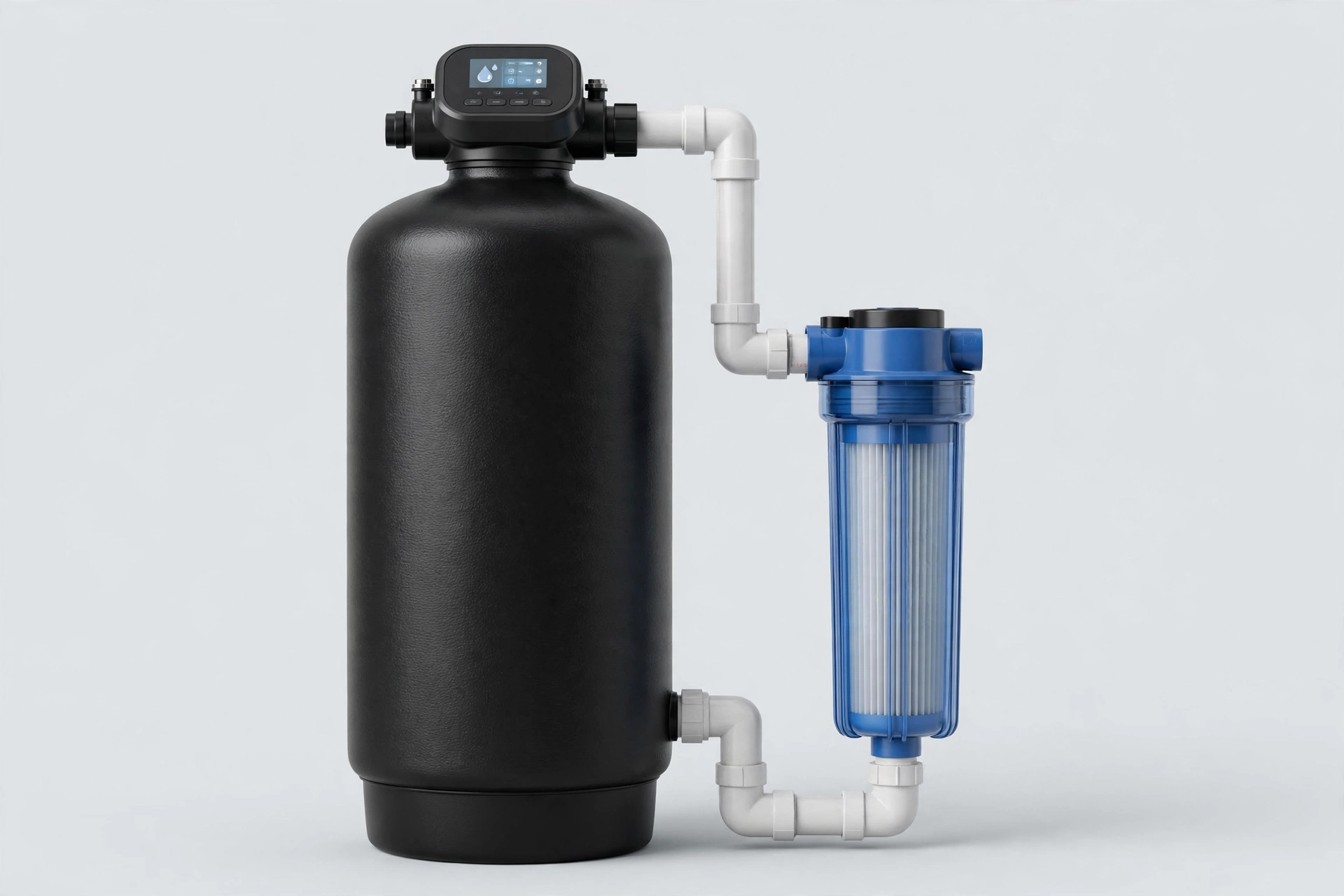
Pros
- You’re on city water (especially chloramine-treated), your home is medium to large, you want the lowest-maintenance ownership in the category, and you value the lifetime warranty.
- It’s also our overall top pick in our Best Whole House Water Filters roundup.
Cons
- The 6-month money-back guarantee deducts a 25% restocking fee, and you pay return shipping.
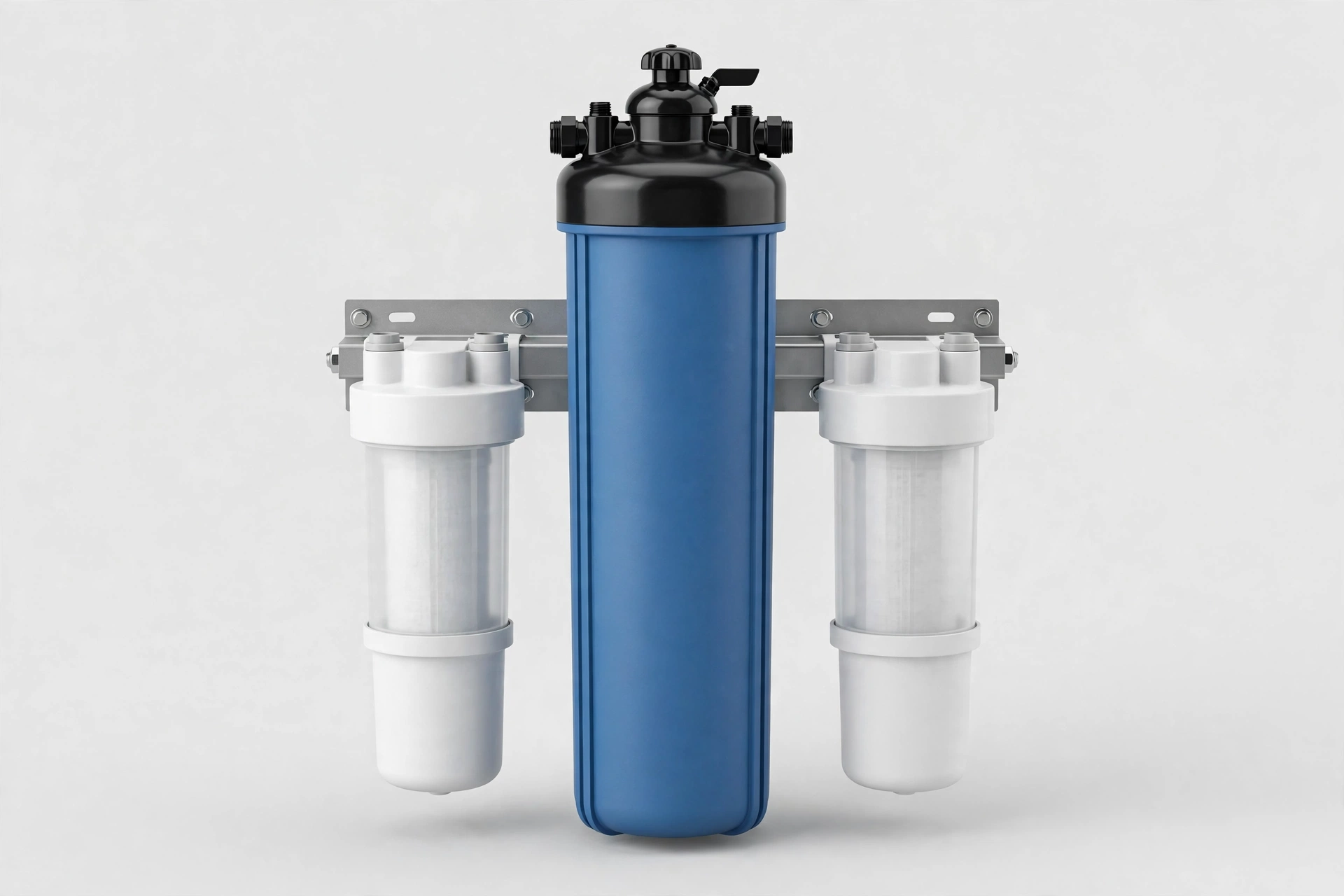
Pros
- NSF certification badges matter to you, you want the UV or salt-free conditioner add-ons in one integrated purchase, or you prefer buying from the most established mainstream brand in the space.
- It’s a genuinely good system.
Cons
- It costs significantly more to buy and own now that the sale price is gone — roughly $1,200 more over five years.
Buy neither yet if: you’re on well water. Both of these are municipal-water systems. Iron, sulfur, and manganese need different equipment. See our well water guide and get a lab test first.
Frequently asked questions
Can I install either system myself? If you’re comfortable cutting into your main water line and your local code permits homeowner plumbing, yes — both ship with install kits. Most buyers hire a plumber (typically a few hundred dollars for 2–4 hours of work; exact rates vary by market). Neither system is meaningfully easier to install than the other.
Do I need the bigger SpringWell models? Match GPM to your bathrooms: CF1 (9 GPM) for 1–3, CF4 (12 GPM) for 4–6, CF+ (20 GPM) for 7+. Undersizing causes the low-flow misery; oversizing just costs more upfront.
Which is better for PFAS/”forever chemicals”? SpringWell lists PFOA/PFOS among the targets of its catalytic-carbon stage — but that’s a manufacturer performance claim, not a third-party certification. As far as published documentation shows, neither system carries an NSF/ANSI 53 certification for PFAS specifically. If PFAS is your primary concern, verify the current certification status with the manufacturer before buying. And consider that a dedicated under-sink reverse-osmosis unit remains the gold standard for drinking-water PFAS removal.
What does KDF actually do? KDF stands for kinetic degradation fluxion: copper-zinc redox granules that convert chlorine into benign water-soluble chloride and, per Aquasana’s FAQ, extend the carbon bed’s life while inhibiting bacteria and algae growth in the tank. It’s a supporting player, not the main event. The carbon does most of the work on chlorine and chemicals.
The verdict
The SpringWell CF1 is our pick for most city-water buyers: better sizing options, chloramine capability included in the base model, far lower maintenance, and a lifetime warranty. At today’s prices, it costs roughly 40% less upfront and far less to run. The Aquasana Rhino EQ-1000 is the better fit if certifications are your priority or you want the UV/conditioner add-ons in one integrated purchase. Either way, you’re getting a legitimate million-gallon system. This is a “best fit” decision, not a “good vs. bad” one.
Prices and promotions change often in this category — the Rhino’s $1,998 price reflects the end of Aquasana’s summer sale in mid-September 2026. Re-check both manufacturers’ pages before you buy.