How to Test Well Water: What to Test For and Which Test to Get (2026)
On a private well, you are the water utility. The full test panel, what the numbers mean, lab test vs. strips, and how often to retest.
On a private well, you are the water utility. The full test panel, what the numbers mean, lab test vs. strips, and how often to retest.
Rotten-egg smell plus orange staining means iron and hydrogen sulfide together. Why the combo changes the equipment choice, what to test, and what actually works.
The actual math for sizing a water softener: hardness × daily use = grain load. Worked example, capacity table, and when salt-free makes sense instead.
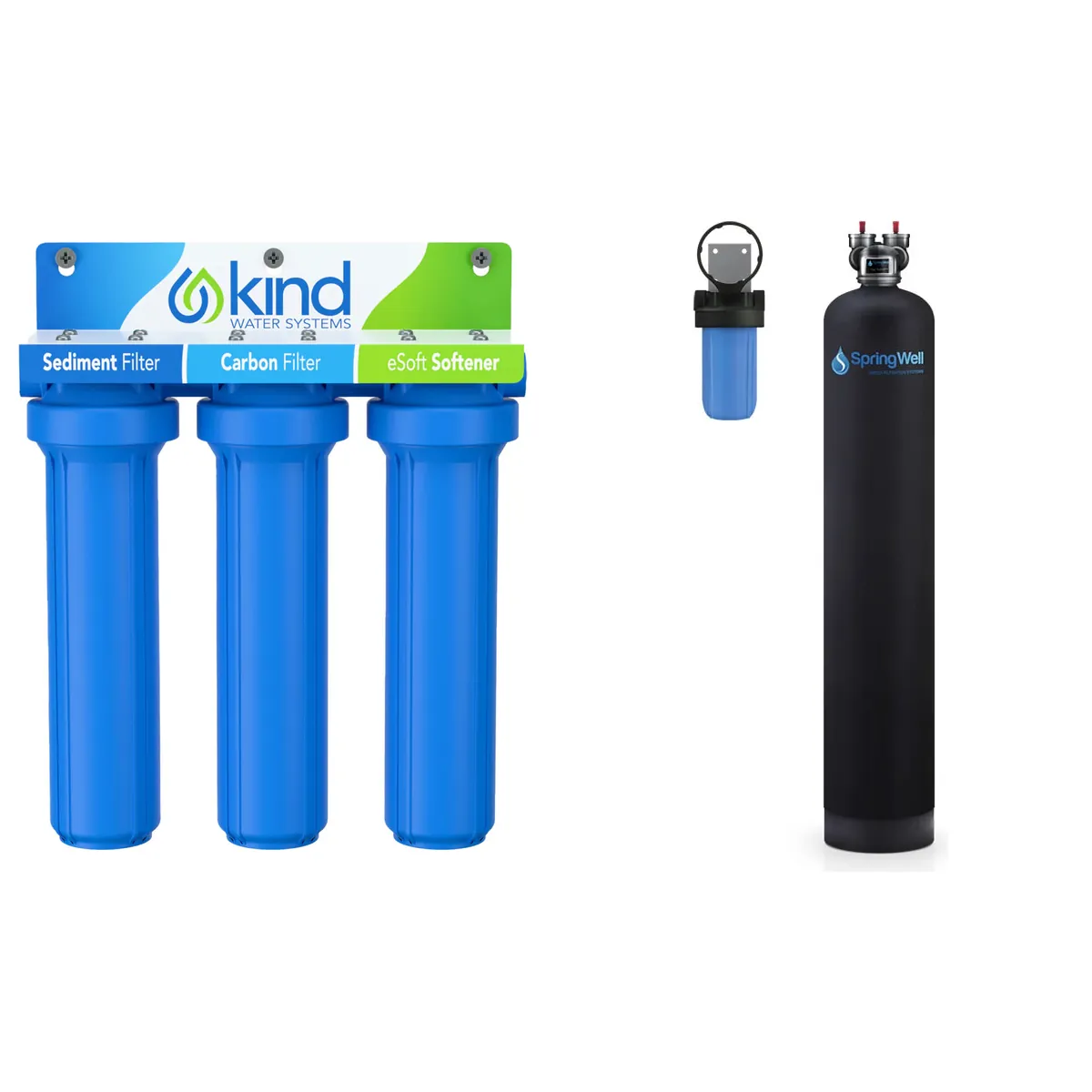
Kind’s E-3000 and SpringWell’s FutureSoft both use salt-free TAC conditioning — but only one also filters your water. We compare flow, maintenance, 10-year cost, and who should buy each.
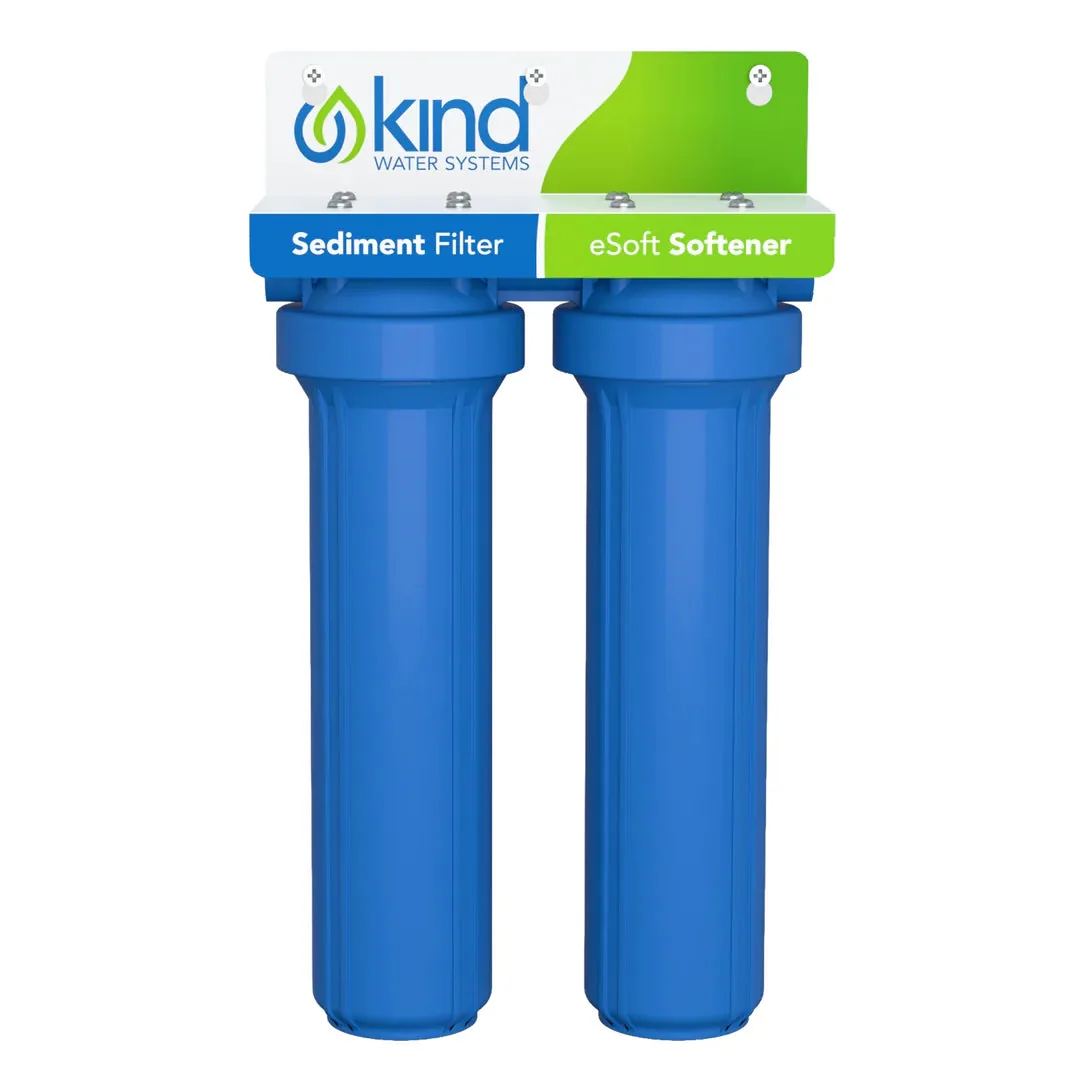
The Kind E-2000 conditions hard water without salt — but it doesn’t filter anything. We break down what it does, the real 10-year cost including the $799.99 cartridge, and when to step up to the E-3000.
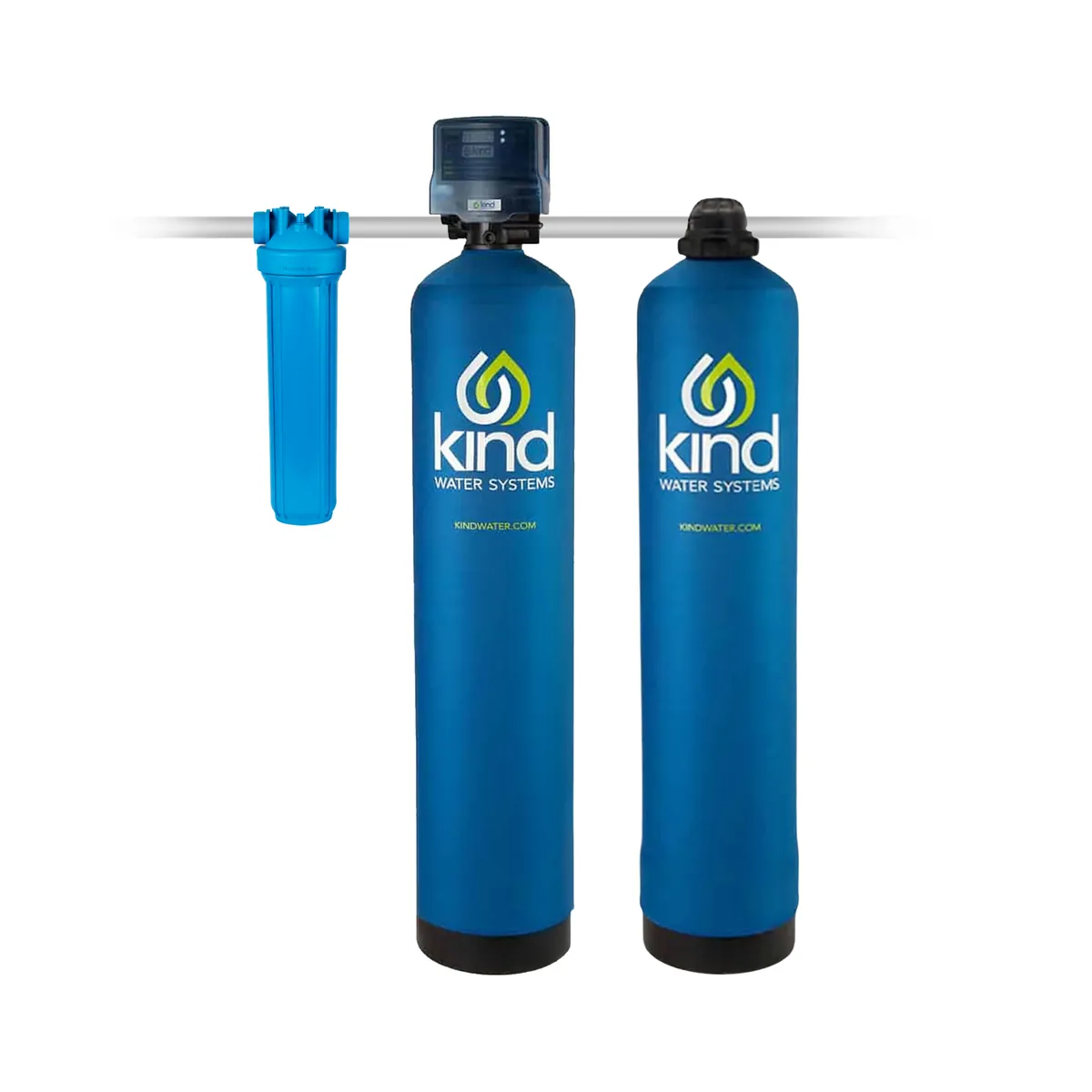
Kind’s well-water system pairs filtration with salt-free scale conditioning. We break down what it does, what it costs over 10 years, and who should skip it.
Is Kind Water right for you? The honest fit check: city water + moderate hardness + no salt + no tank = E-3000. Plus who should skip Kind and what to buy instead.
Kind Water maintenance schedule: filter set ~$124 every 6-12 months, eSoft cartridge $799.99 every 3-5 years, UV lamp annually. Per-model costs and the eSoft correction.
Kind E-3000 vs E-3000UV: the only difference is a UV sterilization stage for ~$1,059 more. What UV does (and doesn’t do), who needs it, and the 10-year cost.
Filter plus conditioner combos do two jobs in one system. We compare Kind, SpringWell, Aquasana, US Water and Pelican on price, flow and 10-year cost.